World Immunization Day 2026 Vaccines: Why They Matter
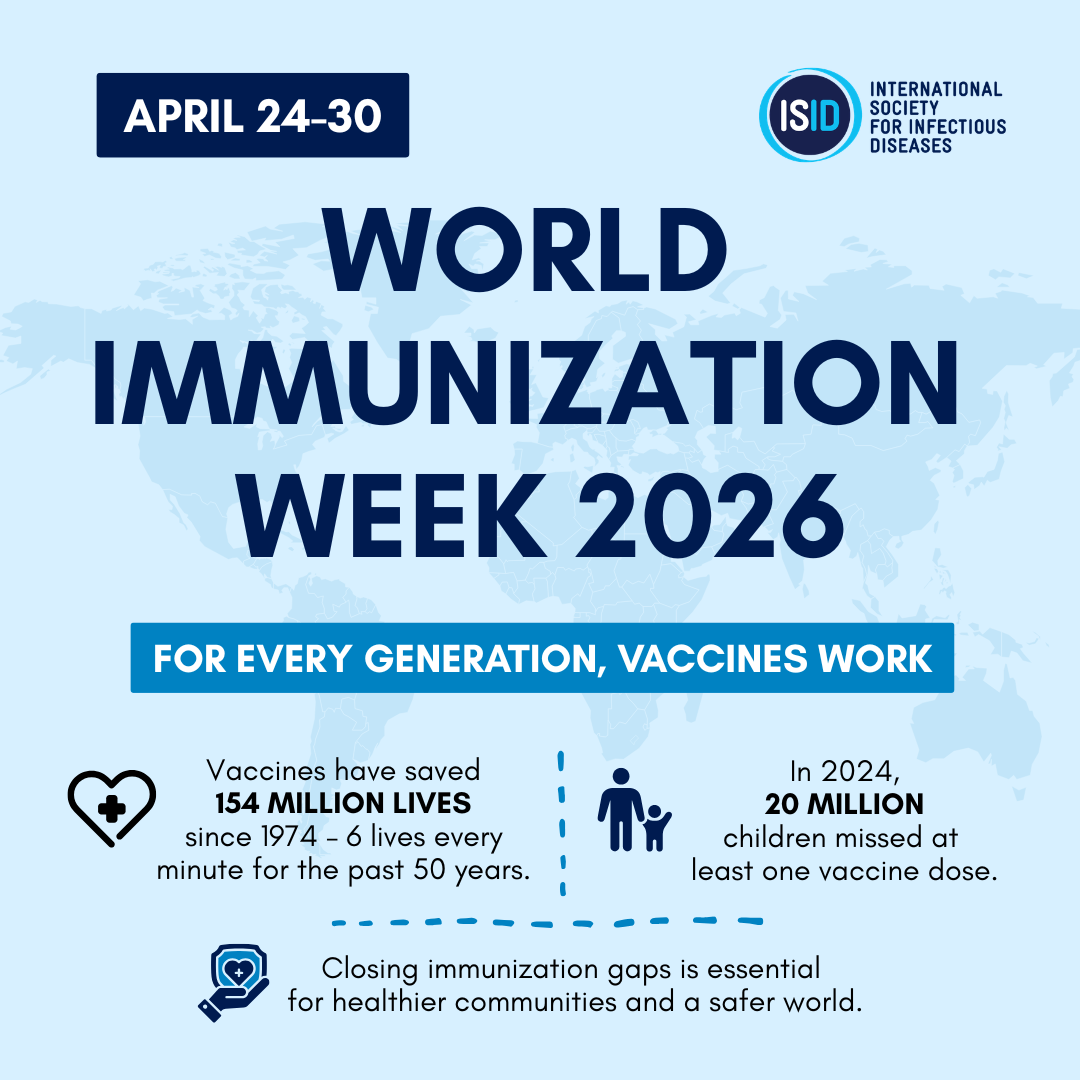
World Immunization Day 2026 vaccines highlights how global immunization efforts have saved at least 154 million lives since 1974, equivalent to six lives every minute for the past 50 years (WHO, 2024; The Lancet, 2024). Most of these lives were infants, underscoring vaccines as the single greatest contribution of any health intervention to ensuring children not only survive but thrive.
World Immunization Day, observed during World Immunization Week (24-30 April 2026), highlights this extraordinary impact while reminding us that progress is fragile. Despite decades of success, gaps in coverage remain, particularly in fragile health systems and underserved communities. In sub-Saharan countries, where infectious diseases continue to challenge public health, the day is both a celebration of achievements and a call to action for renewed commitment.
Infectious Disease Context
Vaccines protect against more than 30 life-threatening diseases, including measles, diphtheria, pertussis, polio, rotavirus, and influenza (WHO, 2024). Recent scientific advances have expanded this list to include malaria, HPV, dengue, RSV, Ebola, and mpox (WHO, 2025). These innovations are particularly relevant in regions where malaria and HPV-related cancers remain pressing concerns. Yet challenges persist worldwide. In 2024, nearly 20 million children missed at least one vaccine dose (UNICEF, 2025). Measles outbreaks have re-emerged in parts of Europe, polio eradication efforts continue in South Asia, and HPV vaccination campaigns in Latin America highlight both progress and gaps. These examples underscore the fragility of immunization systems and the urgent need to strengthen delivery mechanisms everywhere.
Scientific Updates
The past decade has seen remarkable progress in vaccine science. The RTS,S malaria vaccine, now being rolled out in several African countries, offers hope for reducing childhood mortality (WHO, 2024). HPV vaccines are increasingly accessible, protecting adolescents from cervical cancer, a leading cause of death among women in sub-Saharan Africa (UNICEF, 2025). Novel platforms, such as mRNA technology, are being explored for diseases beyond COVID-19, including influenza and HIV (WHO, 2025).
These scientific advances are not only breakthroughs in laboratories but also opportunities to reinforce health systems globally. By integrating new technologies into routine immunization, countries can strengthen resilience, improve monitoring, and ensure that innovation translates into equitable access.
WHO’s Strategic Advisory Group of Experts (SAGE) recently emphasized the importance of evidence-based policies to optimize vaccine use in resource-constrained settings (WHO SAGE, 2025). This includes tailoring schedules to local epidemiology, integrating digital tools for monitoring, and ensuring equitable access across socioeconomic divides.
Public Health Implications
The implications of immunization extend beyond individual protection. Vaccines strengthen health systems, reduce the burden on hospitals, and contribute to economic stability by preventing productivity losses (WHO, 2024). In many regions, immunization campaigns also provide an entry point for broader health education and community engagement. Yet inequities persist. Rural communities often face logistical barriers, while misinformation undermines trust in vaccines (UNICEF, 2025). Addressing these challenges requires a multi-sectoral approach, combining scientific rigor with community-based advocacy. Schools, faith groups, and local leaders must be engaged to ensure that immunization is not only available but also accepted.
Change Strategy: Renewed Commitment for World Immunization Day 2026
World Immunization Day is not only a commemoration but also a catalyst for change. To sustain progress and address persistent gaps, ISID calls for a global change strategy built on five pillars:
- Close Coverage Gaps
Strengthen routine immunization systems to reach children who missed doses during the pandemic and in fragile settings. This requires investment in outreach, supply chains, and monitoring tools to ensure no child is left behind (WHO, 2024). - Empower Adolescents
Scale up HPV and meningitis vaccination programs, particularly in sub-Saharan Africa, where adolescent health is often overlooked. Protecting this age group is critical to reducing long-term disease burdens and advancing gender equity (UNICEF, 2025). - Support Innovation
Invest in new vaccine technologies and ensure equitable distribution of malaria, RSV, and mpox vaccines. Innovation must be matched with access, so breakthroughs translate into lives saved across all regions (WHO, 2025). - Promote Equity
Prioritize marginalized communities, including rural populations and conflict-affected regions, with tailored delivery strategies. Equity in immunization is not optional; it is essential for global health security (WHO SAGE, 2025). - Build Trust
Counter misinformation with transparent communication, community dialogue, and evidence-based advocacy. Trust is the foundation of immunization programs, and without it, coverage cannot be sustained (UNICEF, 2025).
Conclusion
World Immunization Day is more than a commemoration, but a global call to action. Vaccines are a promise we make to future generations: a promise of healthier lives, stronger communities, and resilient health systems. As public health leaders, researchers, and advocates, we must ensure that this promise is kept. The theme “For Every Generation, Vaccines Work” reminds us that vaccination is more than medicine; it is a tradition of protection passed from one generation to the next. By closing gaps, embracing innovation, and promoting equity, we can ensure that every child, adolescent, and adult inherits the protection they deserve.
Written by ISID Emerging Leader, Nelisiwe Lynneth Mhlabane