Signals to Solutions: Detect. Connect. Act. with ProMED-AMR
Date: November 24, 2026 | Time: 12:00 PM GMT (7:00 AM EST / 2:00 PM SAST / 7:00 PM ICT)
Date: November 24, 2026 | Time: 12:00 PM GMT (7:00 AM EST / 2:00 PM SAST / 7:00 PM ICT)
Antimicrobial resistance (AMR) is an immediate global threat that links human, animal, and environmental health, directly impacting economies and food security worldwide. Bacterial AMR currently causes over 4.7 million annual deaths, with projections reaching 39 million deaths and $3.4 trillion in annual economic losses by 2050 without intervention. To combat this crisis, diverse sectors across the globe are improving antimicrobial stewardship, enhancing sanitation, and protecting natural environments. Highlighting this interconnected reality, World AMR Awareness Week 2026 emphasizes the theme "One Health, one action: Prevent AMR now" to drive collective action across all industries.
ProMED-AMR serves as a specialized global surveillance network for antimicrobial resistance (AMR), operating under a One Health framework to track drug-resistant threats across human, animal, and environmental domains. This webinar aims to demonstrate how ProMED-AMR leverages surveillance data, advances antimicrobial stewardship, addresses antimicrobial environmental contamination, and highlights innovative research to deliver a comprehensive early-warning capability under a One Health framework.
Date: Tuesday, November 24, 2026 (World AMR Awareness Week 2026)
Time: 12:00 PM GMT (7:00 AM EST / 2:00 PM SAST / 7:00 PM ICT)
Duration: 1 hour (Each presenter will provide 10-15 minutes)
Moderator: Dr. Mohamed Sirdar
Presenters:
This webinar will highlight how ProMED-AMR’s digital reporting network under ISID advances a One Health approach to AMR offers a valuable and compelling contribution to the WAAW 2026 theme.

Dr. Ghassan Matar is a Professor and Chairperson in the Department of Experimental Pathology, Immunology & Microbiology (EPIM), Co-Director of the Center for Infectious Diseases Research (CIDR) and Director of the WHO Collaborating Center for Reference and Research on Bacterial Pathogens at the Faculty of Medicine, American University of Beirut (AUB), Beirut, Lebanon. He served as American Society for Microbiology (ASM) Ambassador to Lebanon and member/Chairperson of the ASM Ambassador Leadership Circle. He also served as resource advisor in the WHO-Advisory Group on Integrated Surveillance of Antimicrobial Agents (AGISAR) in WHO Geneva HQ as well the Global Outbreak and Alert Response Network Steering Committee (GOARN SCOM) in Geneva HQ. His Laboratory is also a PulseNet Laboratory certified by US CDC.

Professor Tin Tin Myaing has served as a moderator for both the Program for Monitoring Emerging Diseases/Mekong Basin Disease Surveillance (ProMED-MBDS) since 2013 and ProMED-Antimicrobial Resistance (ProMED-AMR) since 2020 — initiatives at the International Society for Infectious Diseases (ISID). She is a former Pro-Rector of Academic Affairs at the University of Veterinary Science (UVS), Nay Pyi Taw, Myanmar. Her notable contributions include pioneering the undergraduate Veterinary Epidemiology curriculum in collaboration with the FAO (MM). She continues to serve as an external examiner for postgraduate thesis defenses at UVS, having previously held the same role at Murdoch University, Australia.
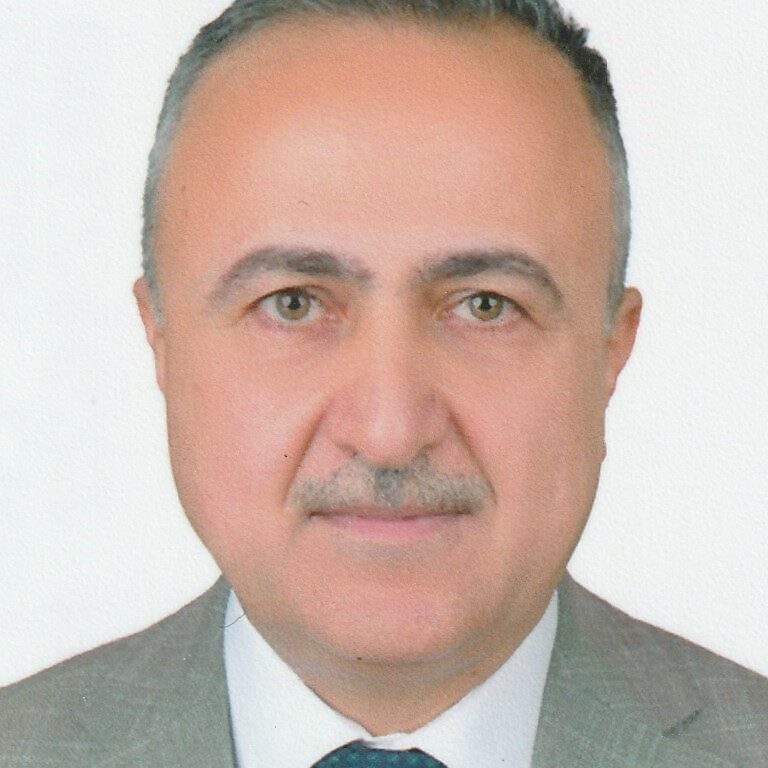
Prof. Dr. Nazar P. Shabila holds an MSc in Public Health in Developing Countries from the London School of Hygiene and Tropical Medicine, UK, and a PhD in Community Medicine from Hawler Medical University, Iraq. He is actively involved in global infectious disease surveillance and antimicrobial resistance (AMR) monitoring through the International Society for Infectious Diseases (ISID). He has served as a moderator for the Program for Monitoring Emerging Diseases in the Middle East and North Africa (ProMED-MENA) since 2015 and ProMED-Antimicrobial Resistance (ProMED-AMR) since 2025. Through these roles, he contributes to monitoring, assessing, and communicating emerging infectious disease threats and antimicrobial resistance developments.

Dr. Mohamed Sirdar is a veterinary epidemiologist and global antimicrobial resistance (AMR) leader serving as interim Director of ISID-Africa and Global Program Specialist for AMR at the International Society for Infectious Diseases (ISID). He leads ISID’s AMR strategy across Africa and manages the organisation’s global AMR portfolio, advancing integrated surveillance, early warning systems, antimicrobial stewardship, and implementation science to strengthen One Health security.