World AIDS Day Joint Webinar: 17 December 2025
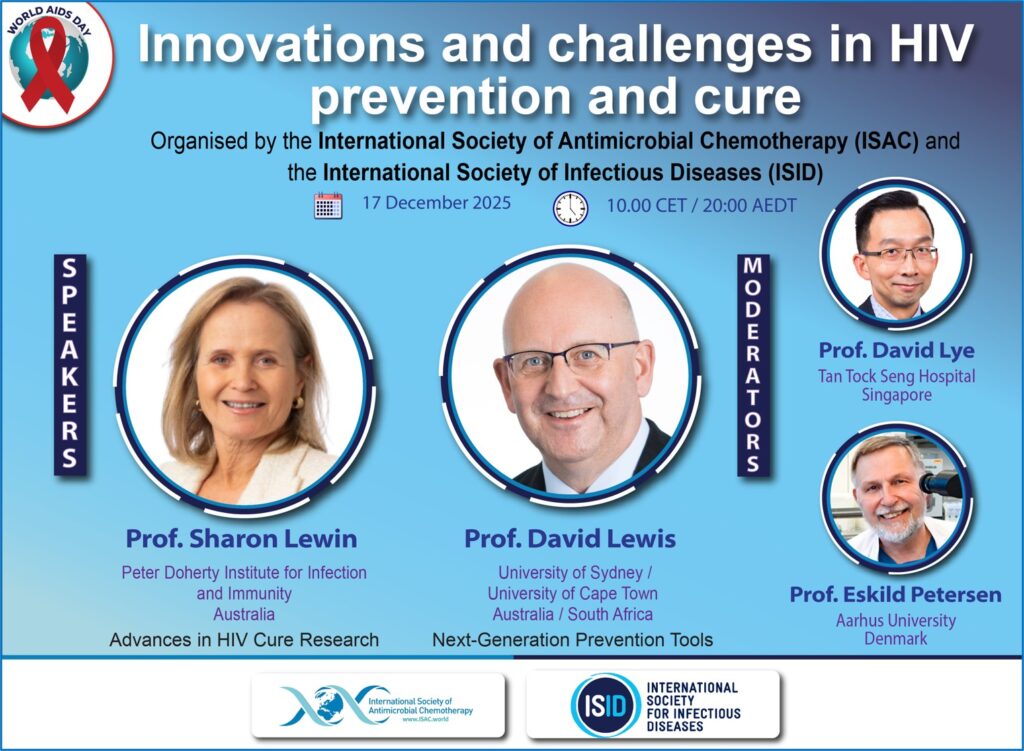
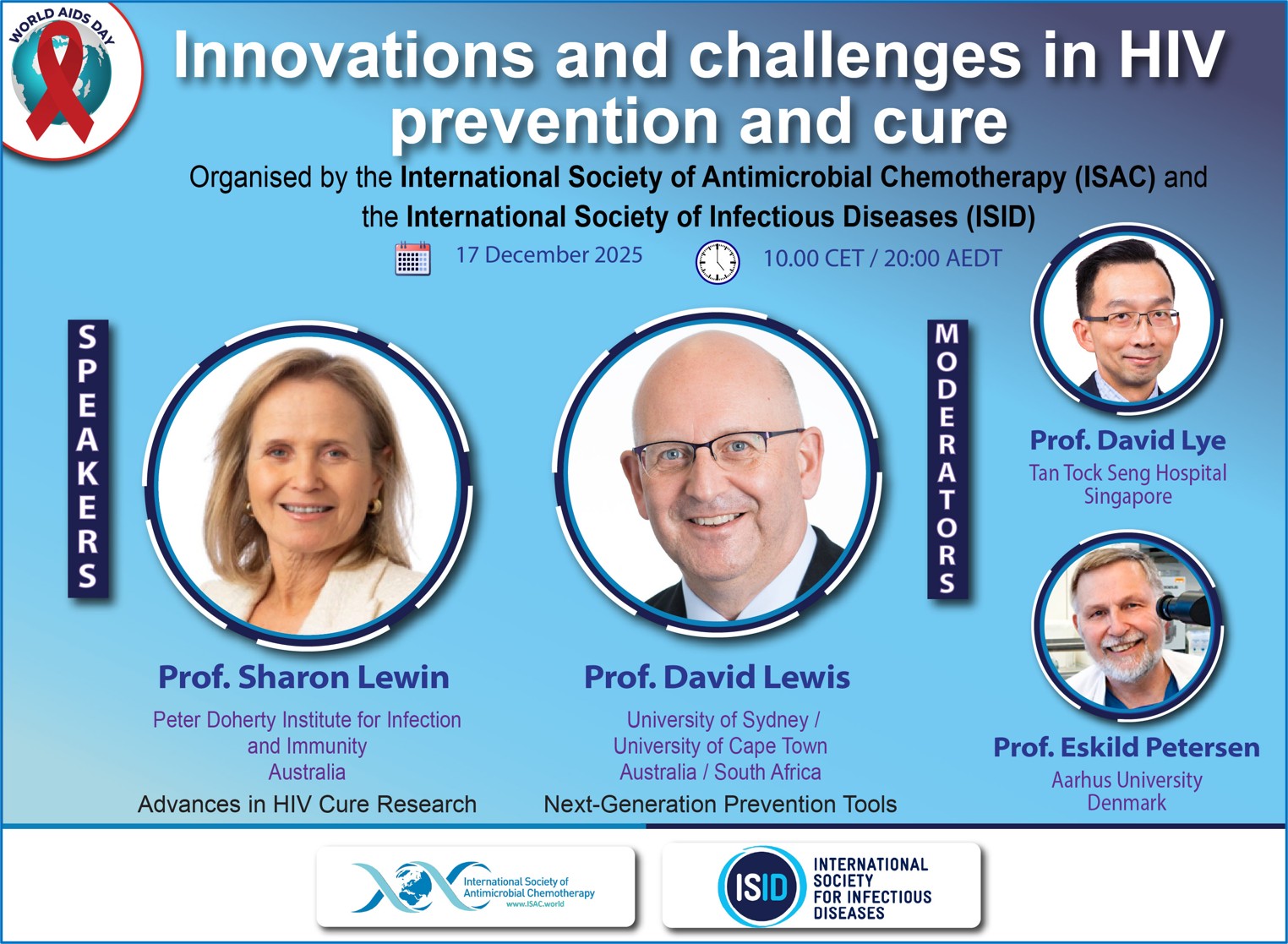
World AIDS Day 2025 was marked by a high-level joint webinar hosted by theInternational Society of Antimicrobial Chemotherapy (ISAC) and the International Society for Infectious Diseases (ISID) under the title Innovations and Challenges in HIV: Prevention and Cure. The event brought together leading international experts to examine the most recent scientific advances shaping the future of HIV prevention and cure, while critically addressing the challenges associated with translating innovation into equitable global impact.
The virtual webinar, held on 17 December 2025, attracted more than 400 participants from across regions and professional backgrounds. Attendance reflected sustained global interest in HIV cure science, next-generation prevention tools, and implementation strategies relevant to diverse health systems.
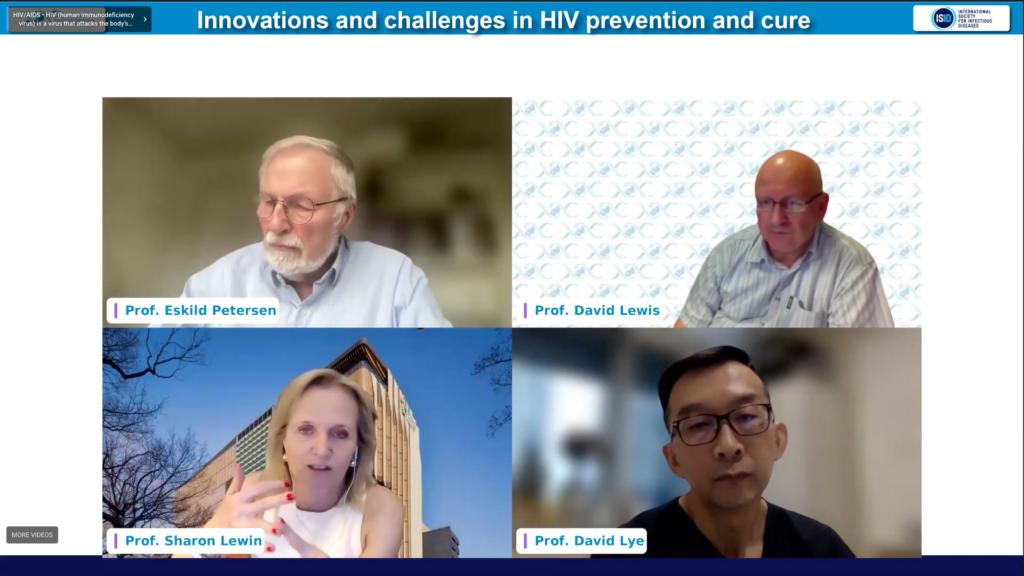
The programme featured two keynote scientific presentations supported by expert moderation and a highly interactive panel discussion session. Contributions from speakers and participants highlighted both scientific progress and real-world considerations for implementation.
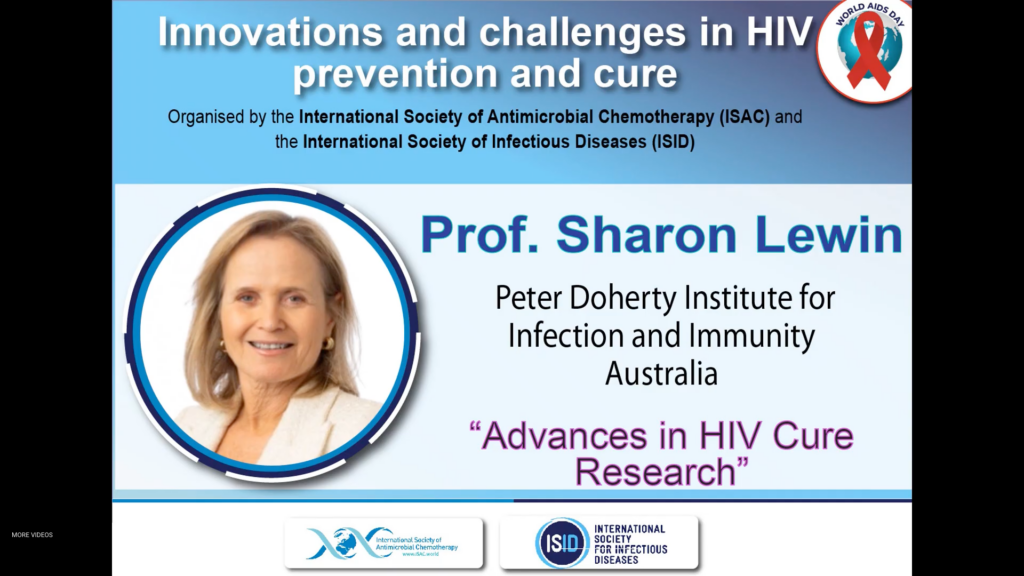
Prof. Sharon Lewin delivered a comprehensive overview of current HIV cure research, focusing on strategies aimed at achieving durable viral remission or complete eradication. The presentation highlighted progress in immunotherapeutic approaches, including broadly neutralising antibodies, immune checkpoint blockade, and combination strategies that have demonstrated post-treatment viral control in early-phase clinical studies. Ongoing work on viral reservoir reduction was discussed, including advances in latency reversal agents and the emergence of HIV-specific targeting strategies. Developments in gene-based therapies, such as CRISPR-Cas9 editing and vector-mediated antibody delivery, were also examined. The presentation emphasised that although significant scientific advances have been achieved, substantial challenges remain related to safety, delivery, scalability, and global access.
Prof. David Lewis provided an in-depth overview of the evolving HIV prevention landscape, with particular emphasis on long-acting biomedical interventions designed to address adherence limitations associated with daily oral prophylaxis. Evidence from major clinical trials on long-acting injectable agents, including cabotegravir and lenacapavir, was presented alongside data on vaginal rings and the potential preventive role of broadly neutralising antibodies. Emerging long-duration drug delivery technologies, such as implants and ultra-long-acting formulations, were also reviewed. The presentation highlighted key implementation challenges related to affordability, health-system capacity, resistance monitoring, and equitable access, particularly in high-burden and resource-limited settings.
Expert moderation was provided by Prof. David Lye and Prof. Eskild Petersen, who guided a dynamic discussion connecting scientific advances with clinical, programmatic, and policy considerations. Audience questions reflected strong interest in the feasibility of long-acting prevention strategies, resistance risks, regulatory timelines, and implementation pathways across diverse epidemiological contexts. The interactive exchange reinforced the importance of multidisciplinary dialogue in advancing effective and equitable HIV responses.
The Innovations and Challenges in HIV: Prevention and Cure webinar successfully highlighted both the promise of emerging scientific advances and the complexity of translating innovation into real-world impact. Collaboration between ISAC and ISID facilitated meaningful global knowledge exchange and reinforced a shared commitment to advancing evidence-based strategies that contribute to ending the HIV epidemic.