Public Lecture on Antimicrobial Resistance (AMR) at the University of Venda, South Africa
September 02, 2025
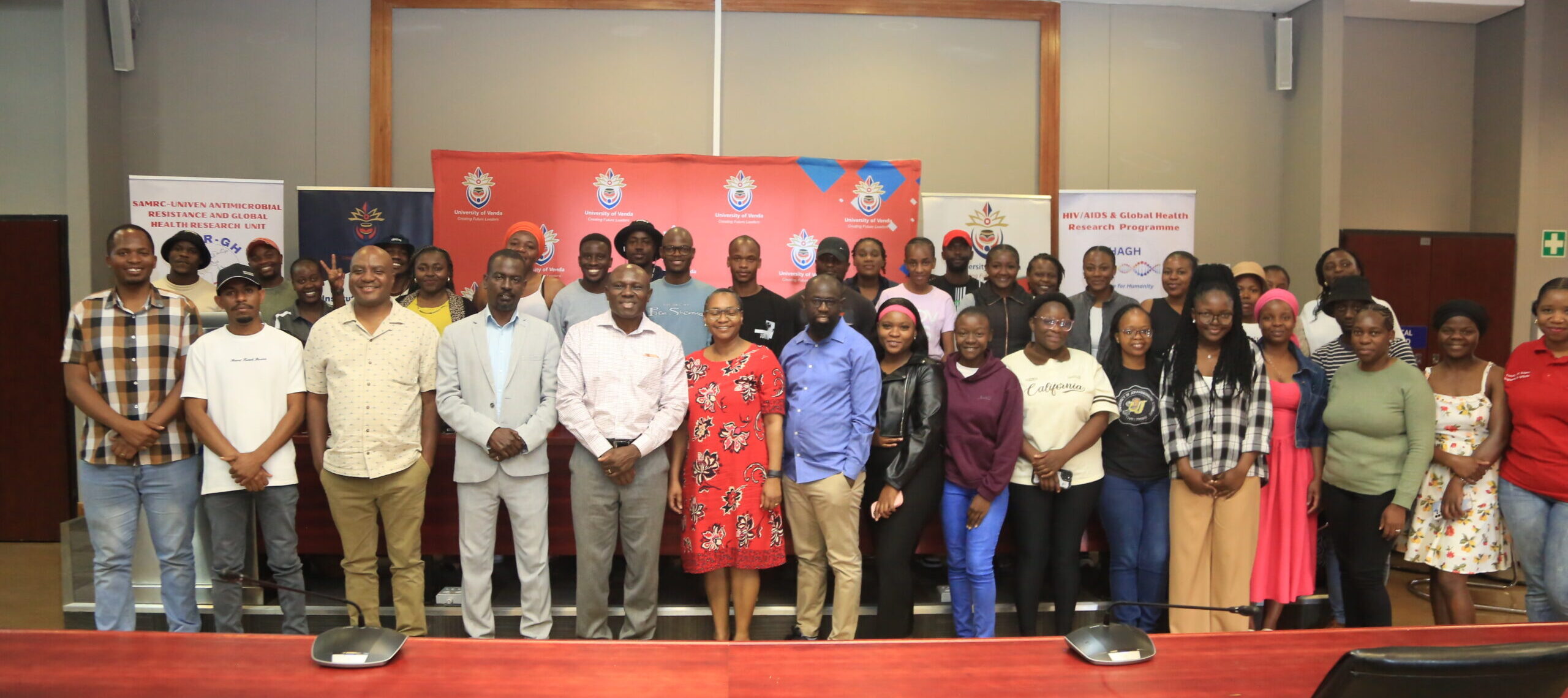
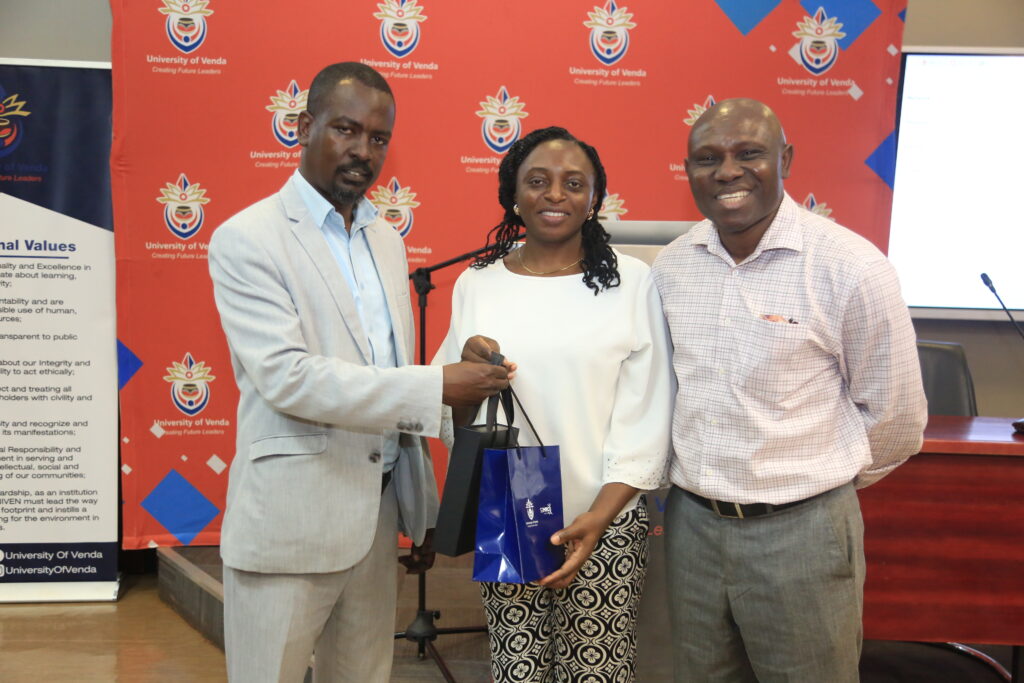
On 25 August 2025, Dr. Mohamed Sirdar, ISID’s Global Program Specialist for Antimicrobial Resistance (AMR), delivered a public lecture organized by the SAMRC-UNIVEN Unit at the University of Venda (UNIVEN). The event brought together postgraduate students, faculty members, and researchers across multiple disciplines, including biochemistry, microbiology, chemistry, animal science, and public health nutrition.
The event was officially opened by Professor Michael Chimonyo on behalf of the Executive Dean of the Faculty of Science, Engineering and Agriculture, with introductions by Professor Pascal Bessong, Director of the SAMRC-UNIVEN Research Unit.
The lecture, titled "AMR in South Africa: Evidence from ProMED-AMR Surveillance – A Data-Driven Call to Action," highlighted ISID’s innovative use of ProMED-AMR data (2020–2024) to track AMR trends. Dr. Sirdar and his co-author, Dr. Jarod Hanson (ISID ProMED Chief Content Officer), highlighted the progress achieved through South Africa’s National Strategy Framework, including strengthened genomic surveillance, pharmacist-led stewardship initiatives, innovative research initiatives, such as genomic tools for tracking resistance, investigations into prescribing practices, and novel antimicrobial discovery. Some challenges that were identified include the widespread use of inappropriate antibiotic prescribing; incomplete surveillance data, particularly at the primary care level; and inconsistent application of infection prevention and control (IPC) programs.
Structural barriers, including poor sanitation, environmental contamination, limited training for healthcare workers, and inadequate funding, continue to hinder progress. Despite these obstacles, significant opportunities exist. Expanding IPC and AMS coverage, enhancing healthcare education, and leveraging whole genome sequencing and rapid diagnostics can strengthen surveillance and response. Dr. Sirdar emphasized the importance of a One Health approach, which links human, animal, and environmental health. He called for sustained collaboration, investment, and innovation in research to curb the growing AMR crisis.
The lecture also spotlighted the ongoing research agenda of the SAMRC-UNIVEN Unit, established in 2022, as an extramural unit of the South African Medical Research Council with a focus on antimicrobial resistance and global health. The Unit seeks data on determinants of resistome acquisition, diversity, and abundance through community-based prospective cohorts. On the enteric bacterial resistome, the objective is to understand, using a birth cohort, variables impacting the acquisition of resistomes in young children, and the role of hydrometeorological variables in the development of enteric resistomes. Using metagenomic sequence data and KAP responses, investigators and the community will co-produce ethnographically relevant educational material for antimicrobial resistance stewardship at the community level. On HIV drug resistance, the Unit is investigating the impact of undisclosed prior exposure to antiretrovirals at treatment initiation on resistance development and viral suppression. The longitudinal cohort also serves as a basis for investigations into the evolution of antibiotic resistance in patients receiving prophylactic antibiotics.
This lecture reflects ISID’s mission to advance science, strengthen education, and promote evidence-based action against infectious diseases worldwide.