The Global Picture
According to UNAIDS and the WHO, statistical figures remind us that while progress has been made, the fight is far from over:
• 40.8 million people were living with HIV globally in 2024.
• 630,000 people died from HIV-related causes.
• 1.3 million new infections occurred in the same year.
New Developments in Ending AIDS—A Call to Unity: Creating a Future Where There Is No AIDS
Scientific innovation is reshaping the future of HIV prevention and treatment: A signal that ending AIDS is not just a dream—it is within reach.
• Vaccine Trials: In 2025, IAVI and Scripps Research reported proof-of-concept trials showing that vaccines can stimulate broadly neutralizing antibodies, a critical step toward an effective HIV vaccine.
• Functional Cure Research: Trials in Africa and Europe using engineered antibodies demonstrated long-term viral suppression without daily medication, suggesting a “functional cure” may be possible.
• Long-acting Prevention: Lenacapavir injections, requiring only two doses per year, were approved in 2025, offering nearly 100% efficacy in trials among key populations.
Care for Underserved Communities
Ending AIDS requires equity-driven approaches. UNAIDS warns that funding cuts have disrupted HIV prevention and treatment services, especially in low- and middle-income countries. Millions of people in underserved communities face barriers such as stigma, discrimination, and lack of access to care.
To truly end AIDS, we must:
• Strengthen community-led services.
• Ensure rights-based access to testing and treatment.
• Expand services for marginalized groups, including women, youth, LGBTQ+ communities, and people in fragile health systems.
Spotlight on Pakistan: Overcoming Disruption
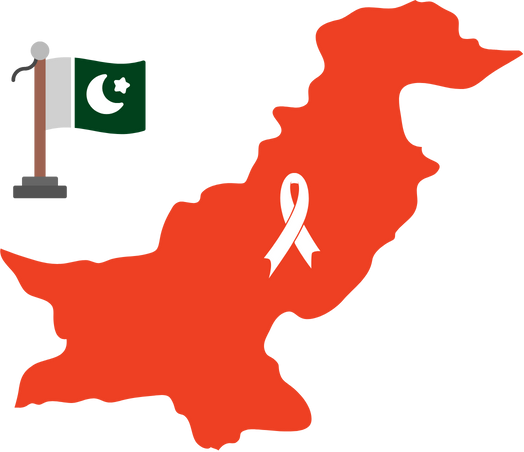 Pakistan, like many countries affected by the HIV epidemic, has shown commitment to ending AIDS as a public health threat. Transformation requires:
• Strengthening primary healthcare systems.
• Ensuring equitable access to prevention, testing, and treatment.
• Expanding community-led and multisectoral partnerships.
• Combating stigma and discrimination.
• Prioritizing vulnerable and marginalized populations.
Disruptions of the past decade COVID-19, economic shifts, population displacements, digital divides, and shrinking fiscal spaces have threatened progress. Yet disruption can also catalyse innovation. Pakistan’s national response has pivoted toward:
• Digital health solutions for tracking and continuity of care.
• Strengthening laboratory networks to enhance surveillance.
• Decentralizing HIV services and bringing care closer to communities.
• Engaging youth and community organizations in awareness and outreach.
• Integrating HIV services into broader health programs such as maternal health, TB care, and harm reduction.
Transforming the AIDS Response Through Community Engagement
Transformation is only possible when communities are empowered. Across Pakistan and globally, community-led responses peer educators, outreach teams, civil society groups, and NGOs play a critical role in:
- Breaking stigma.
- Supporting key populations.
- Ensuring continuity of ART (Antiretroviral Therapy).
- Promoting safe practices and preventive measures.
- Advocating for human rights and non-discrimination.
These partnerships ensure no one is left behind, including women, youth, migrant workers, people who inject drugs, and individuals in humanitarian settings.
Timely Diagnosis, Reliable Information, Lifesaving Action
Safety depends on timely diagnosis, not fear. Testing remains the gateway to treatment, care, and prevention. Reliable information protects individuals, families, and communities.
Pakistan’s National AIDS Control Program, together with federal and provincial health departments, is investing in several efforts reflecting a commitment to equity, compassion, and evidence-based policy.
• Expanding testing facilities.
• Integrating HIV screening at Points of Entry (POEs).
• Ensuring uninterrupted ART supply chains.
• Providing harm-reduction services.
• Strengthening public awareness campaigns.
Sustainable Development Goals (SDGs)
The fight against HIV/AIDS is deeply connected to the 2030 Agenda for Sustainable Development, and resilience is the thread that binds these goals together:
• SDG 3 (Good Health & Well-being): Ending AIDS requires resilient health systems.
• SDG 5 (Gender Equality): Addressing gender-based vulnerabilities and empowering women and girls.
• SDG 10 (Reduced Inequalities): Ensuring marginalized populations are not left behind.
• SDG 16 (Peace, Justice & Strong Institutions): Protecting human rights and dismantling stigma.
• SDG 17 (Partnerships for the Goals): Strengthening global solidarity and sustained funding.
Together, these interconnected goals frame the HIV/AIDS response as a movement for resilience, innovation, and intergenerational hope.
Global Campaign and Partnership to End AIDS Globally as an Investment
The 2025 theme calls for renewed solidarity and innovation. ISID joins partners worldwide in amplifying the campaign to:
- Reignite global funding and commitment.
- Integrate HIV services into broader health systems.
- Challenge stigma and discrimination.
- Accelerate research and equitable access to breakthroughs.
The vision is clear: a future where new infections are prevented, treatment reaches all who need it, and every person living with HIV is treated with dignity and respect.
A Promise for the Future
World AIDS Day 2025 is more than a commemoration—it is a pledge. A pledge to overcome barriers that disrupt progress. A pledge to transform systems so they are resilient, inclusive, and patient-centered. And above all, a pledge to uphold the dignity, rights, and well-being of every person.
Ending AIDS is achievable. But it requires collective responsibility - governments, partners, healthcare workers, communities, and individuals all play a vital role.
Together, we can achieve the vision of:
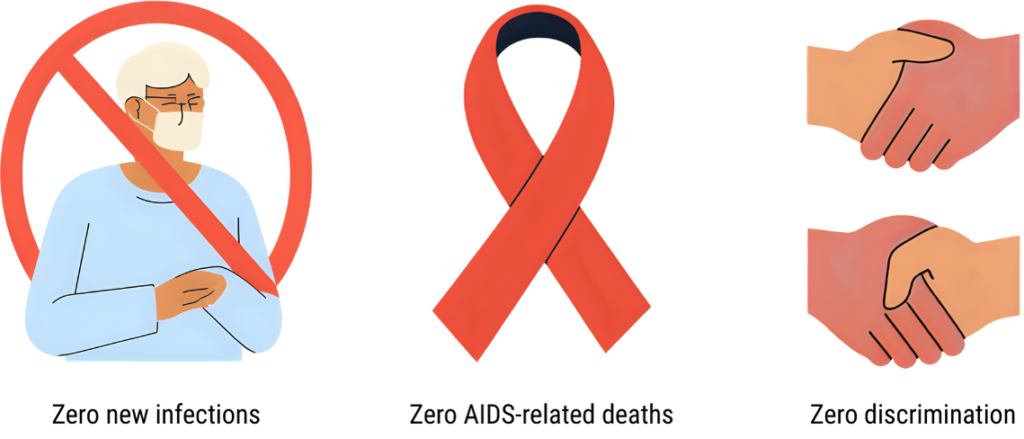
On this World AIDS Day 2025, ISID calls on governments, researchers, communities, and partners to unite in building Resilient Futures. By aligning with the Sustainable Development Goals, we honour past sacrifices while advancing equity and innovation for the future.
Join ISID in amplifying solidarity and resilience across the globe.
Written by ISID Emerging Leaders, Ms. Nelisiwe Mhlabane & Dr. Nadia Noreen